

Creative Home Learning for 2-Year-Olds

Watching a 2-year-old explore the world is a joyful experience. At this age, children are curious, eager to learn, and developing new skills every day. As a parent or caregiver, you can support this growth by providing creative learning activities that are both fun and educational. These activities help build essential skills like language, motor coordination, and problem-solving, all while keeping your little one engaged.
In this post, I’ll share practical ideas and tips for creative home learning for 2-year-olds. Whether you’re looking for simple crafts, sensory play, or ways to encourage early communication, you’ll find plenty of inspiration here.
Why Creative Home Learning for 2-Year-Olds Matters
At two years old, children are at a critical stage of development. Their brains are rapidly forming connections, and they learn best through play and hands-on experiences. Creative activities stimulate their imagination and help them make sense of the world around them.
When you engage your toddler in creative learning at home, you’re not just keeping them busy—you’re nurturing their curiosity and confidence. These activities also strengthen your bond as you explore and discover together.
Here are some benefits of creative learning for toddlers:
Enhances fine and gross motor skills through activities like drawing, building, and dancing.
Boosts language development by encouraging talking, singing, and storytelling.
Promotes problem-solving and critical thinking with puzzles and simple experiments.
Supports emotional expression through art and imaginative play.
Builds social skills when done with siblings or friends.

Fun Ideas for Home Learning for 2-Year-Olds
Creating a learning-rich environment at home doesn’t require fancy toys or expensive materials. Many activities use everyday items and simple setups. Here are some ideas you can try today:
1. Sensory Bins
Fill a shallow container with safe materials like dry pasta, rice, or water beads. Add small toys or scoops for your toddler to explore textures and practice hand-eye coordination. Sensory bins are great for calming busy minds and encouraging focused play.
2. Simple Art Projects
Provide crayons, washable markers, finger paints, or stickers. Let your child experiment with colors and shapes. You can guide them to draw circles, lines, or even simple faces. Art helps develop fine motor skills and creativity.
3. Building Blocks
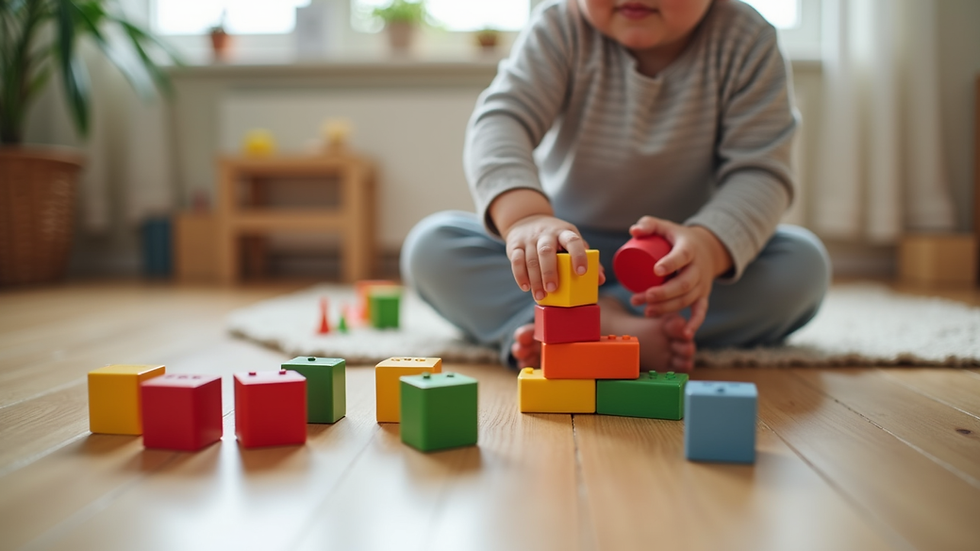
Blocks of various sizes and shapes encourage stacking, balancing, and imaginative construction. Playing with blocks also introduces basic math concepts like size, shape, and counting.
4. Storytime with Props
Read books aloud and use puppets or stuffed animals to bring stories to life. This makes reading interactive and helps toddlers understand narrative flow and new vocabulary.
5. Music and Movement
Sing songs, dance, or play simple instruments like shakers or drums. Music supports language rhythm and coordination while being a joyful way to bond.
6. Nature Exploration
Take short walks and collect leaves, flowers, or stones. Talk about colors, textures, and sounds you notice. Nature walks encourage observation skills and curiosity.
7. Pretend Play
Set up a small kitchen, doctor’s kit, or grocery store with household items. Pretend play builds social skills and imagination.
These activities are easy to adapt based on your child’s interests and developmental stage. Remember, the goal is to make learning enjoyable and stress-free.
What Activities Should a 2 Year Old Be Learning?
At two years old, children are developing rapidly across several areas. Here are key activities and skills to focus on:
Language and Communication
Naming common objects and people
Using simple two- to three-word sentences
Following simple instructions
Singing nursery rhymes and repeating sounds
Motor Skills
Walking, running, and climbing with confidence
Using utensils and crayons with increasing control
Stacking blocks or fitting shapes into puzzles
Cognitive Skills
Recognizing colors and shapes
Sorting objects by size or type
Understanding cause and effect (e.g., pushing a button to make a sound)
Social and Emotional Development
Showing affection and empathy
Playing alongside or with others
Expressing needs and feelings verbally or non-verbally
By incorporating activities that support these areas, you help your toddler build a strong foundation for future learning.
Tips for Making Learning Activities Successful
To get the most out of creative learning activities, keep these tips in mind:
Keep it short and sweet. Toddlers have limited attention spans. Aim for 10-15 minute sessions and follow your child’s lead.
Create a safe space. Ensure the area is child-proofed and materials are non-toxic and age-appropriate.
Be patient and encouraging. Celebrate efforts, not just results. Learning is a process.
Use everyday moments. Mealtime, bath time, and errands can all be opportunities for learning.
Rotate toys and materials. This keeps activities fresh and interesting.
Join in the fun. Your involvement makes activities more meaningful and enjoyable.
If you want more ideas, you can explore learning activities for 2 year olds at home for a variety of creative and educational options.
Supporting Your Toddler’s Learning Journey
Every child is unique, and their interests and pace of learning will vary. The most important thing is to provide a loving, supportive environment where your toddler feels safe to explore and try new things.
Encourage curiosity by asking open-ended questions like, “What do you think will happen if we mix these colors?” or “Can you find the red block?” This invites your child to think and express themselves.
Also, remember that play is the work of childhood. When your toddler is engaged in creative play, they are learning essential skills that will serve them for life.
By integrating these creative learning activities into your daily routine, you’re giving your child a wonderful start on their educational journey.
I hope these ideas inspire you to create joyful and meaningful learning moments with your toddler. Remember, the best learning happens when it feels like play. Enjoy this special time together!


Comments