

Best Home Learning Activities for Toddlers

Watching toddlers explore the world around them is truly a joy. At this stage, their curiosity is boundless, and every new experience helps shape their understanding and skills. Creating a nurturing environment at home with the right learning activities can make a big difference in their development. I want to share some of the best home learning activities for toddlers that are simple, fun, and effective. These activities not only engage your little one but also support their growth in key areas like language, motor skills, and social interaction.
Engaging Home Learning Activities for Toddlers
Toddlers learn best through play and hands-on experiences. When you incorporate learning into everyday moments, it becomes natural and enjoyable for both of you. Here are some activities you can easily set up at home:
Sensory Bins: Fill a shallow container with safe materials like rice, pasta, or water beads. Add small toys or spoons for scooping. This activity encourages tactile exploration and fine motor skills.
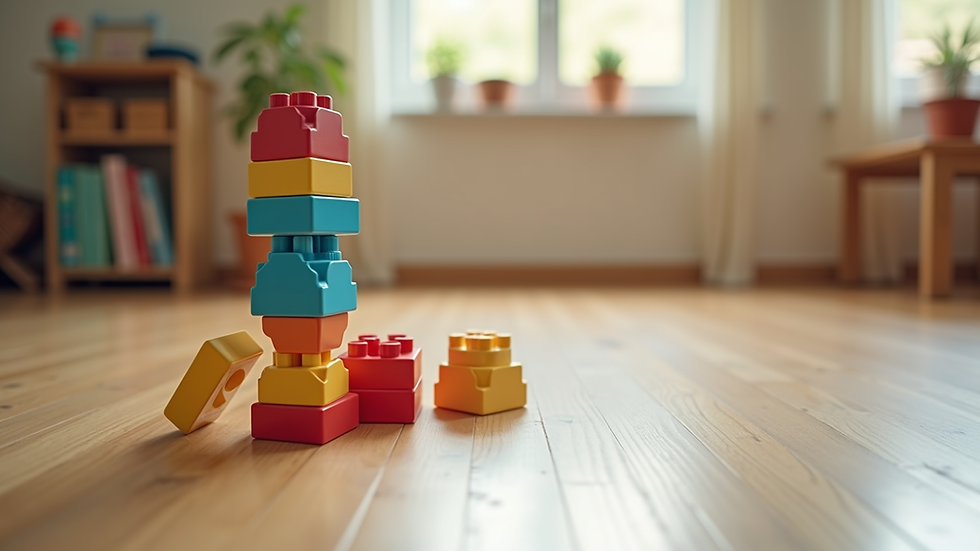
Building Blocks: Simple wooden or plastic blocks help toddlers develop hand-eye coordination and spatial awareness. Challenge them to stack towers or create simple shapes.
Story Time with Props: Reading aloud is wonderful, but adding props like puppets or stuffed animals makes stories come alive. It boosts language skills and imagination.
Color Sorting Games: Use colored cups or bowls and a variety of small objects. Ask your toddler to sort items by color. This supports cognitive skills and color recognition.
Music and Movement: Play songs and encourage dancing or clapping along. This promotes physical development and rhythm awareness.
These activities are easy to adapt based on your toddler’s interests and abilities. Remember, the goal is to make learning feel like play.
What Activities Should a 2 Year Old Be Learning?
At two years old, toddlers are rapidly developing their language, motor skills, and social abilities. It’s important to provide activities that match their growing capabilities while keeping things fun and stress-free. Here are some key areas to focus on:
Language Development: Encourage simple conversations, name objects, and sing songs. Use picture books and ask questions about the images.
Fine Motor Skills: Activities like drawing with crayons, playing with playdough, or picking up small objects help strengthen hand muscles.
Gross Motor Skills: Running, jumping, and climbing are essential. Set up safe spaces for active play indoors or outdoors.
Problem Solving: Simple puzzles, shape sorters, and matching games challenge their thinking.
Social Skills: Playdates or family interactions teach sharing, turn-taking, and empathy.
By offering a variety of activities, you support your toddler’s overall development and keep them engaged.
Creative Learning Through Everyday Tasks
You don’t need special toys or materials to create meaningful learning moments. Everyday tasks can be turned into fun activities that teach important skills:
Cooking Together: Let your toddler help with simple tasks like stirring, pouring, or washing vegetables. This builds fine motor skills and introduces basic math concepts like measuring.
Cleaning Up: Make tidying up a game by sorting toys into bins or matching items to their places. It teaches responsibility and organization.
Nature Walks: Explore your backyard or a nearby park. Collect leaves, rocks, or flowers and talk about their colors, shapes, and textures.
Water Play: Fill a basin with water and provide cups, funnels, and sponges. Water play is calming and great for sensory development.
Art Projects: Use safe, washable paints or crayons to create simple art. Encourage your toddler to express themselves and develop creativity.
These activities are not only educational but also strengthen your bond as you spend quality time together.

Tips for Making Learning Fun and Effective
Keeping your toddler interested in learning requires patience and creativity. Here are some tips to help you make the most of your time together:
Follow Their Lead: Pay attention to what excites your toddler and build activities around those interests.
Keep Sessions Short: Toddlers have limited attention spans. Aim for 10-15 minute activities and switch things up often.
Use Positive Reinforcement: Celebrate efforts and achievements with praise and encouragement.
Create a Safe Space: Ensure the learning area is child-proofed and free from distractions.
Be Consistent: Regular routines help toddlers feel secure and ready to learn.
Incorporate Movement: Toddlers learn best when they can move around and explore physically.
Limit Screen Time: Interactive play is far more beneficial than passive screen watching.
By keeping these tips in mind, you’ll create a positive learning environment that your toddler looks forward to.
Supporting Your Toddler’s Growth Every Day
Every day offers new opportunities to support your toddler’s development. Whether it’s through play, conversation, or simple routines, your involvement is key. Remember, the best learning happens when toddlers feel safe, loved, and encouraged to explore.
If you’re looking for more ideas, you might find learning activities for 2 year olds at home helpful. These activities are designed to be practical and enjoyable, fitting easily into your daily life.
By nurturing your toddler’s curiosity and skills now, you’re laying a strong foundation for their future success. Keep exploring, playing, and learning together!
Thank you for spending time here. I hope these ideas inspire you to create joyful and meaningful learning moments with your toddler at home.


Comments